PUMA – THE SILENT PREDATOR OF THE AMERICAN WILDERNESS
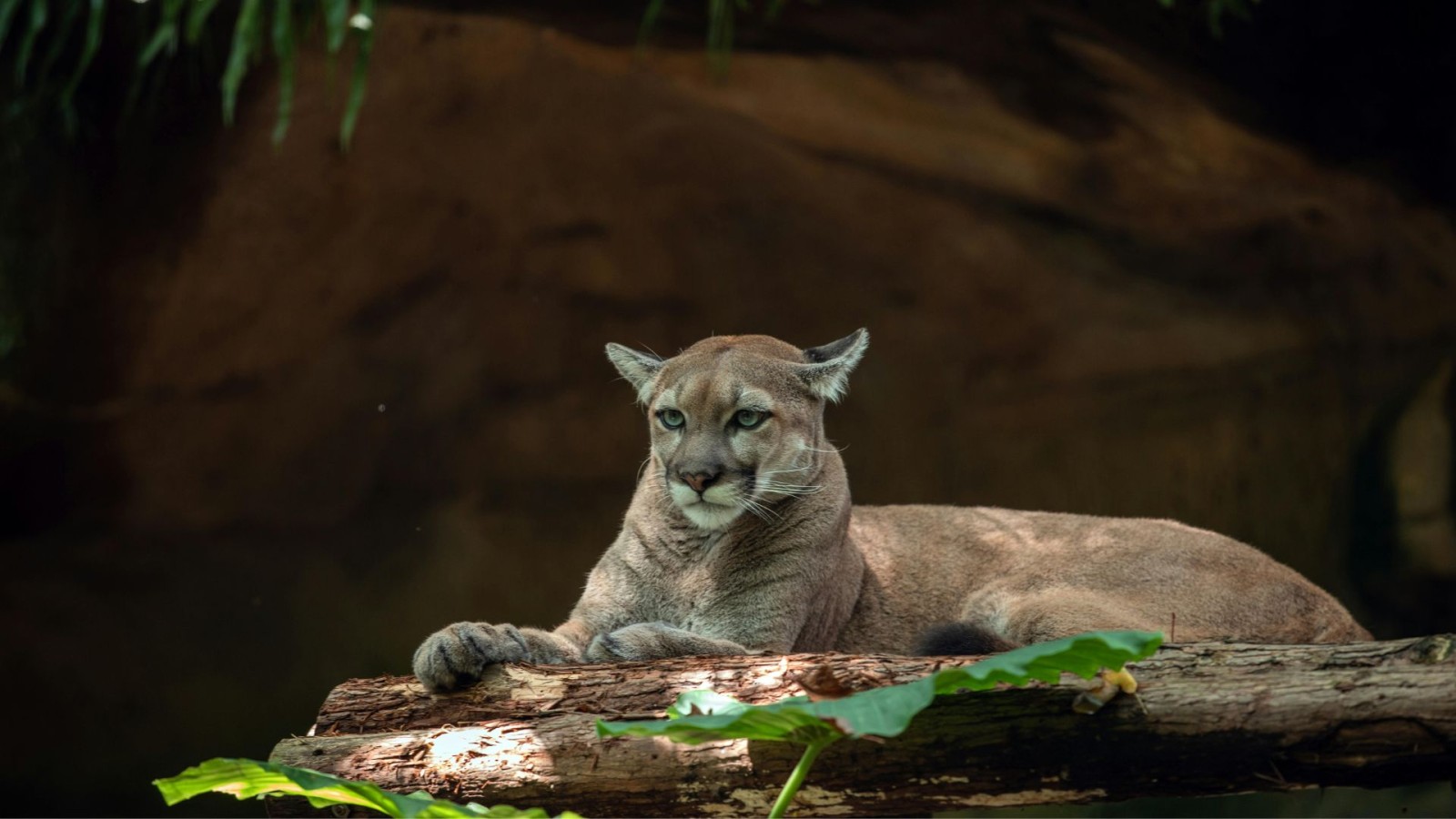
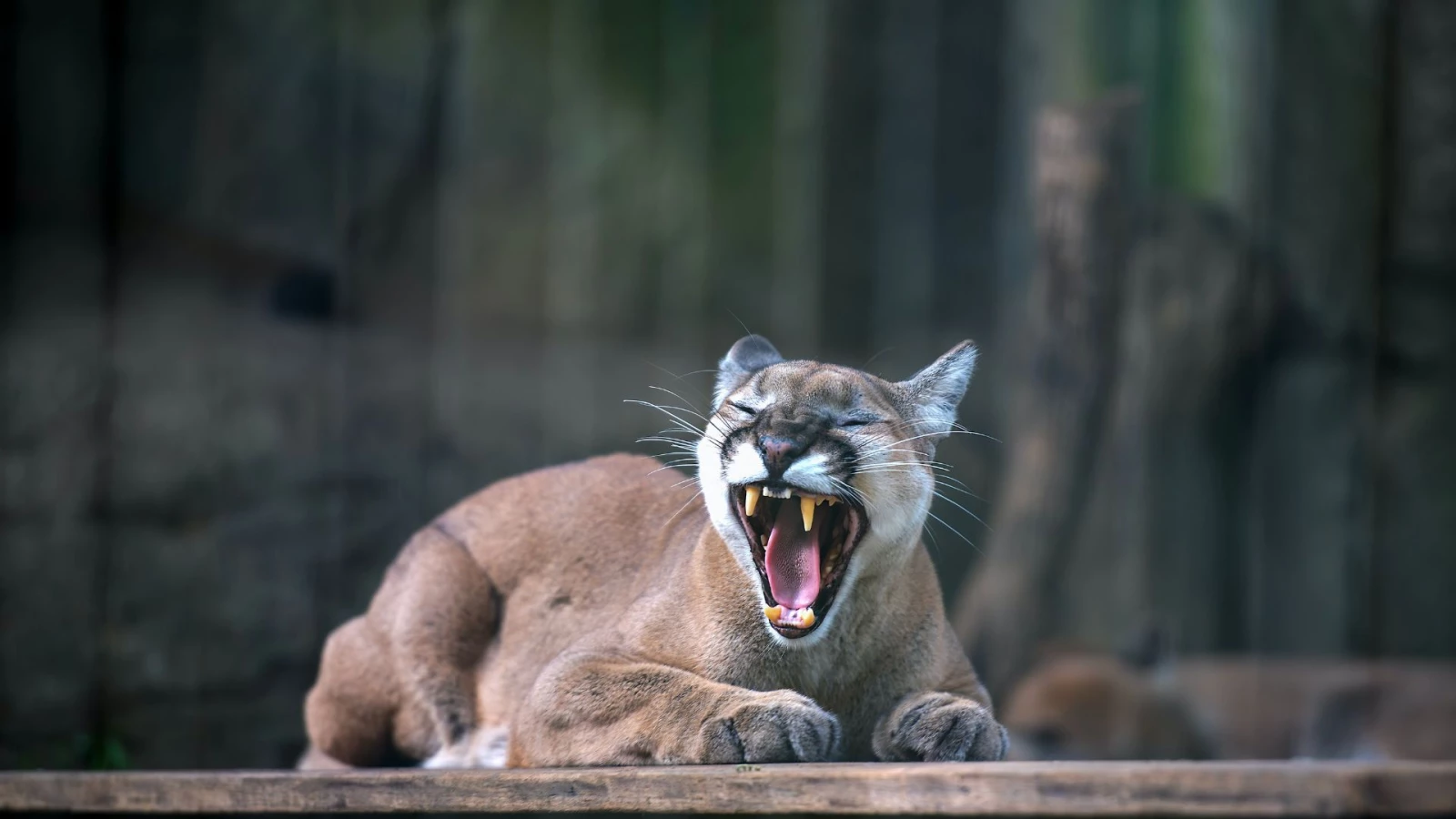
Puma (Puma concolor), also known as the cougar, mountain lion, or puma, is one of the most versatile and well-adapted predators of the Americas. Its natural habitat stretches from the forests of Canada to the harsh, windy wilderness of Patagonia — encompassing mountains, deserts, and jungles. Invisible, persistent, and incredibly effective, the puma embodies agility, flexibility, and precise strength.
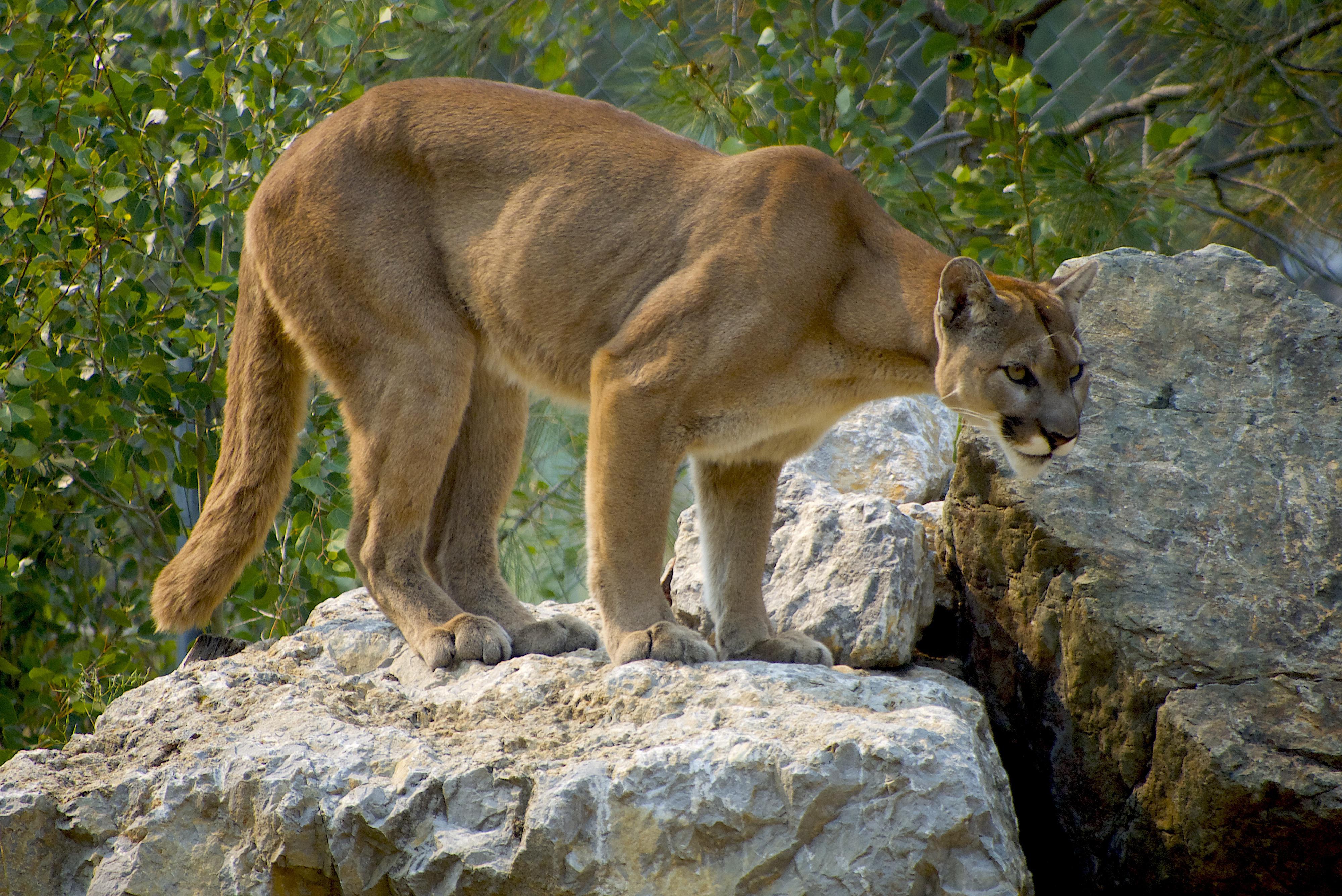
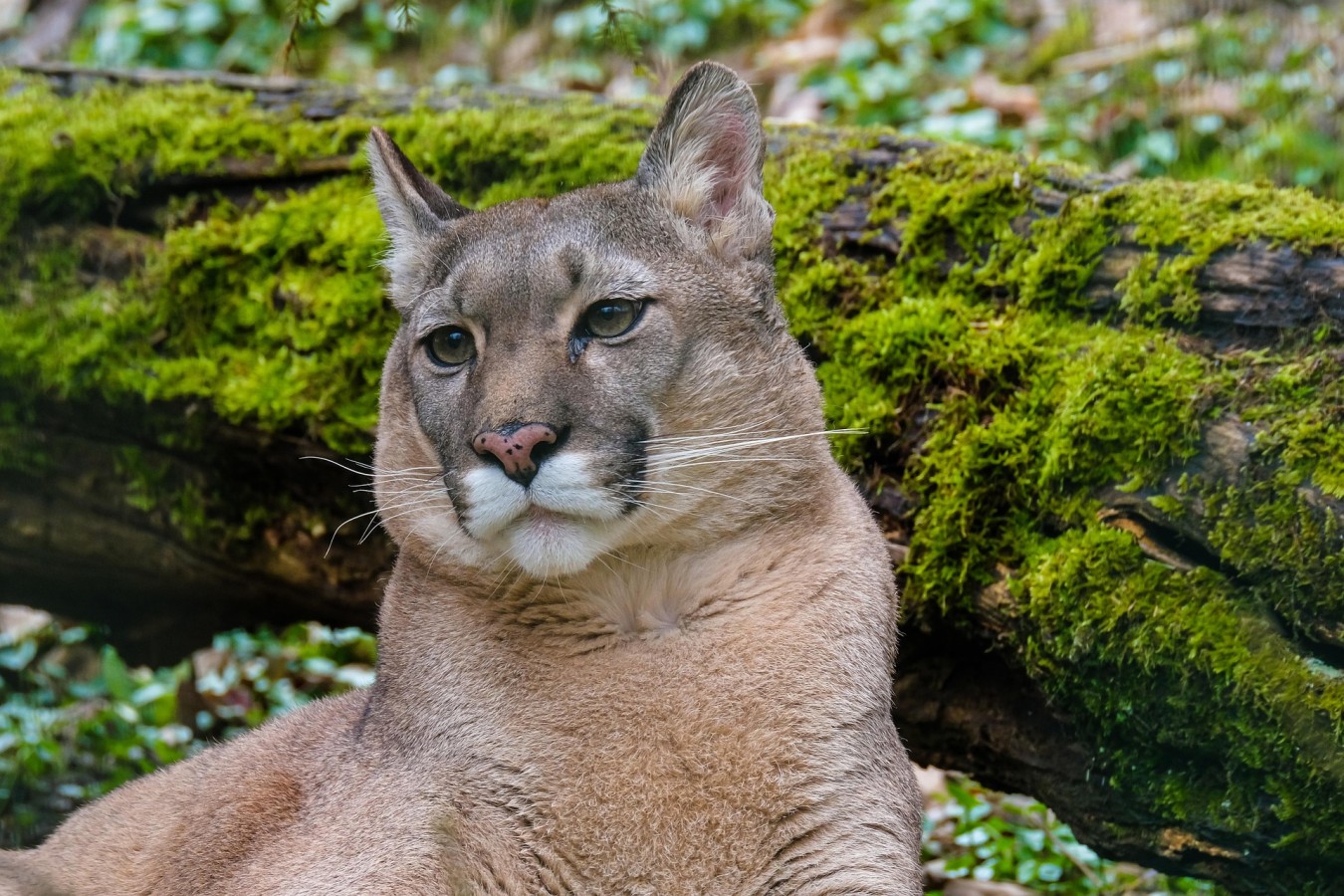
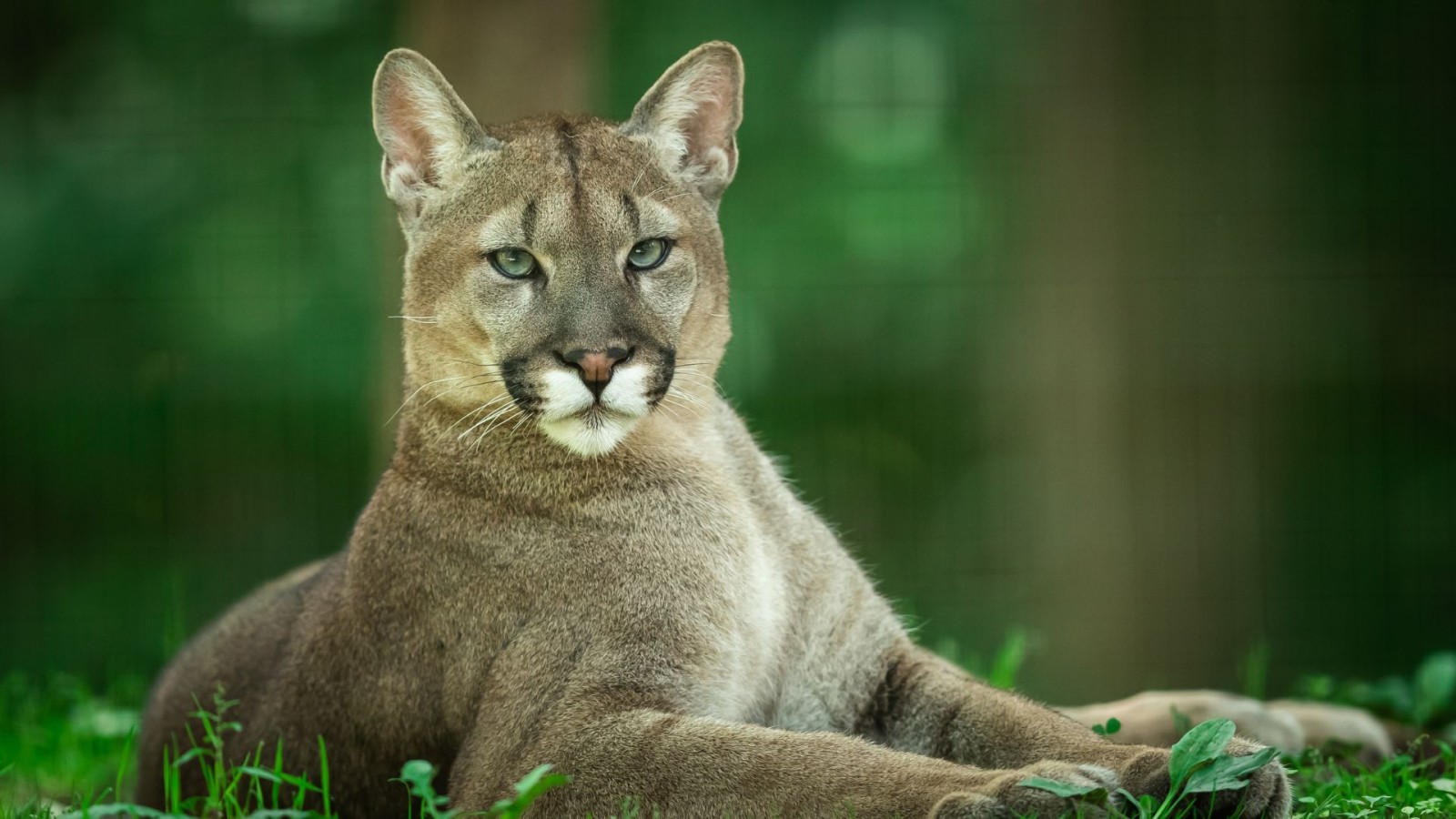
Its short, uniform coat in shades of gray-brown, beige, or reddish sand allows it to perfectly blend into any background — from rocky slopes to savanna thickets. The underside of its body is lighter — creamy, almost white — while darker accents around the muzzle, ears, and tail tip give it a distinctive, predatory appearance. Although the puma’s skin is thinner than that of larger big cats — only 3–4 mm thick — it remains remarkably resistant to tears and injuries. Its flexibility is key to success in the challenging, hazard-filled terrain — it can skillfully climb rocks, slip through dense vegetation, and make long leaps without losing speed or balance.
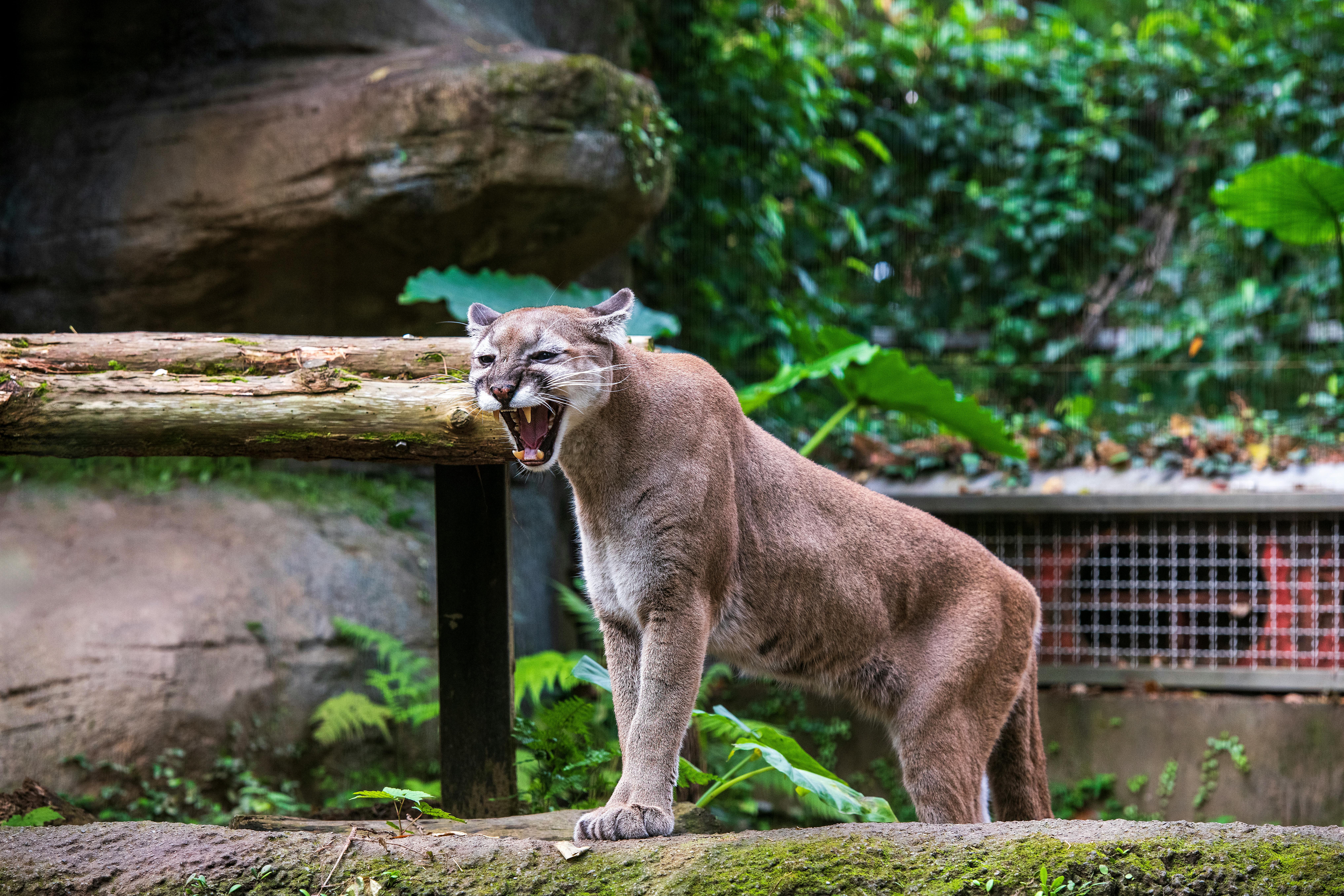
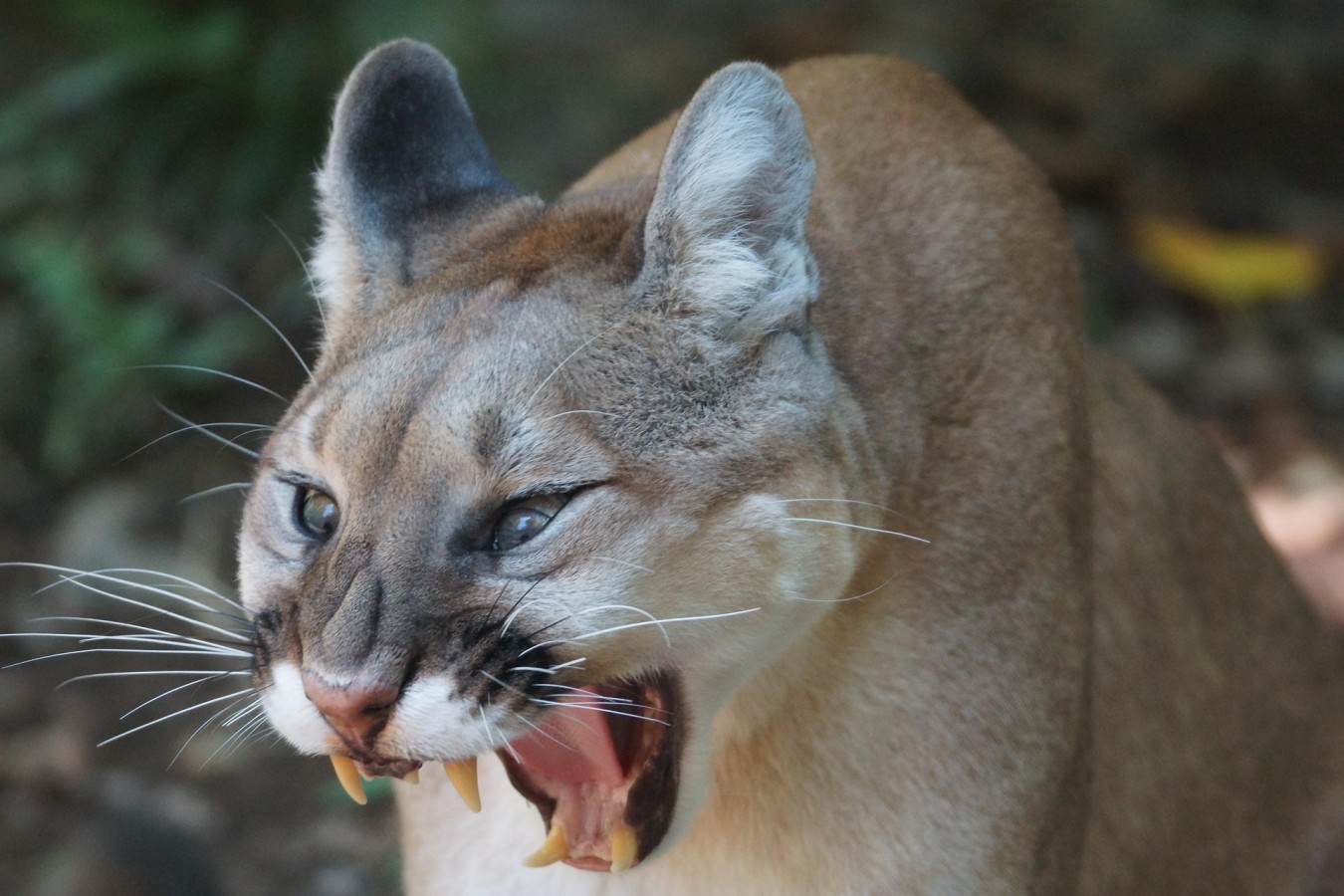
Hunting alone, usually by ambush, the puma can swiftly overpower its prey — deer, wild boar, or even moose — leaping from cover and killing it with a single, precise bite to the neck. Its dense, protective fur and powerful body enable it to survive struggles with struggling prey and even defend itself against wolves and other predators.
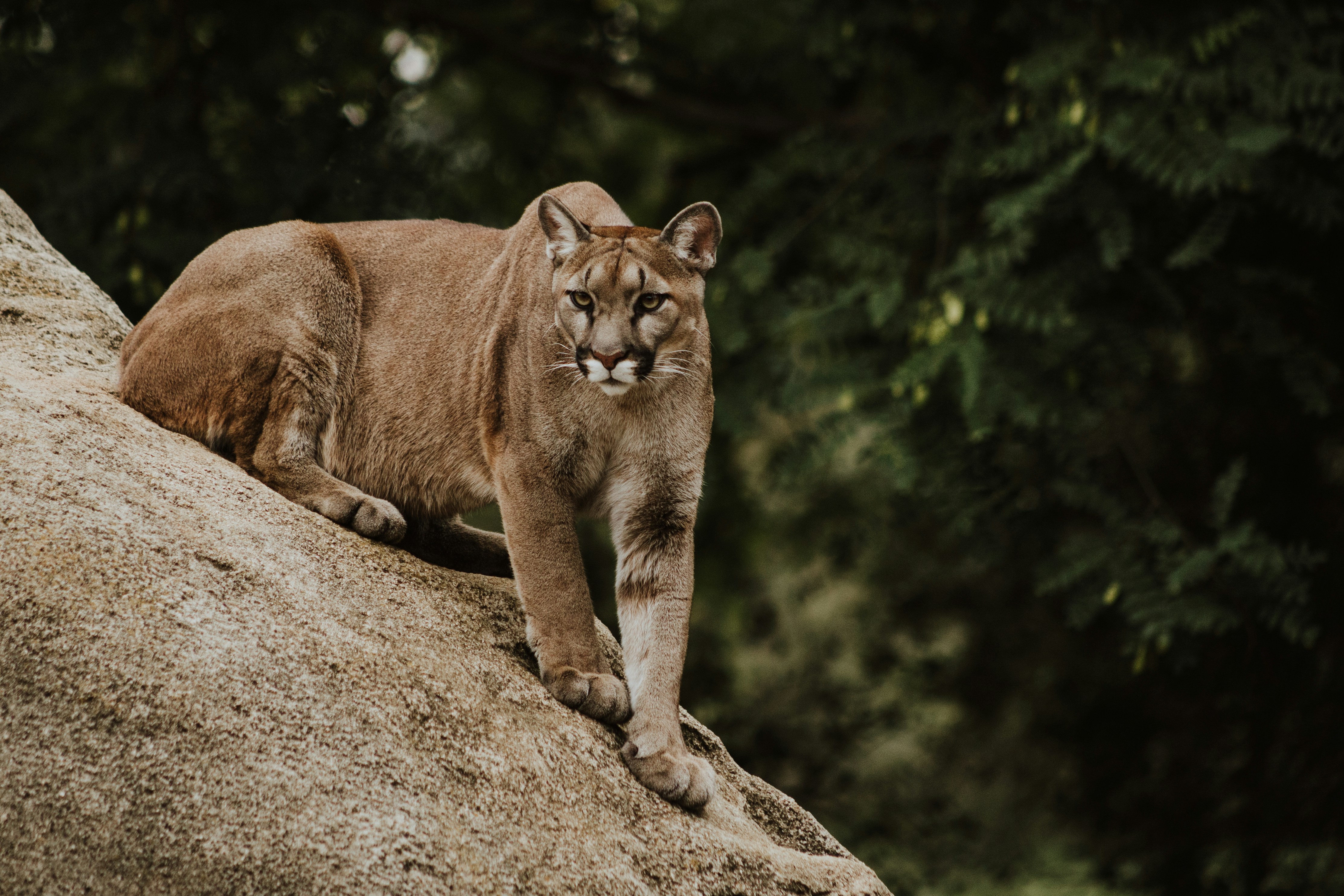
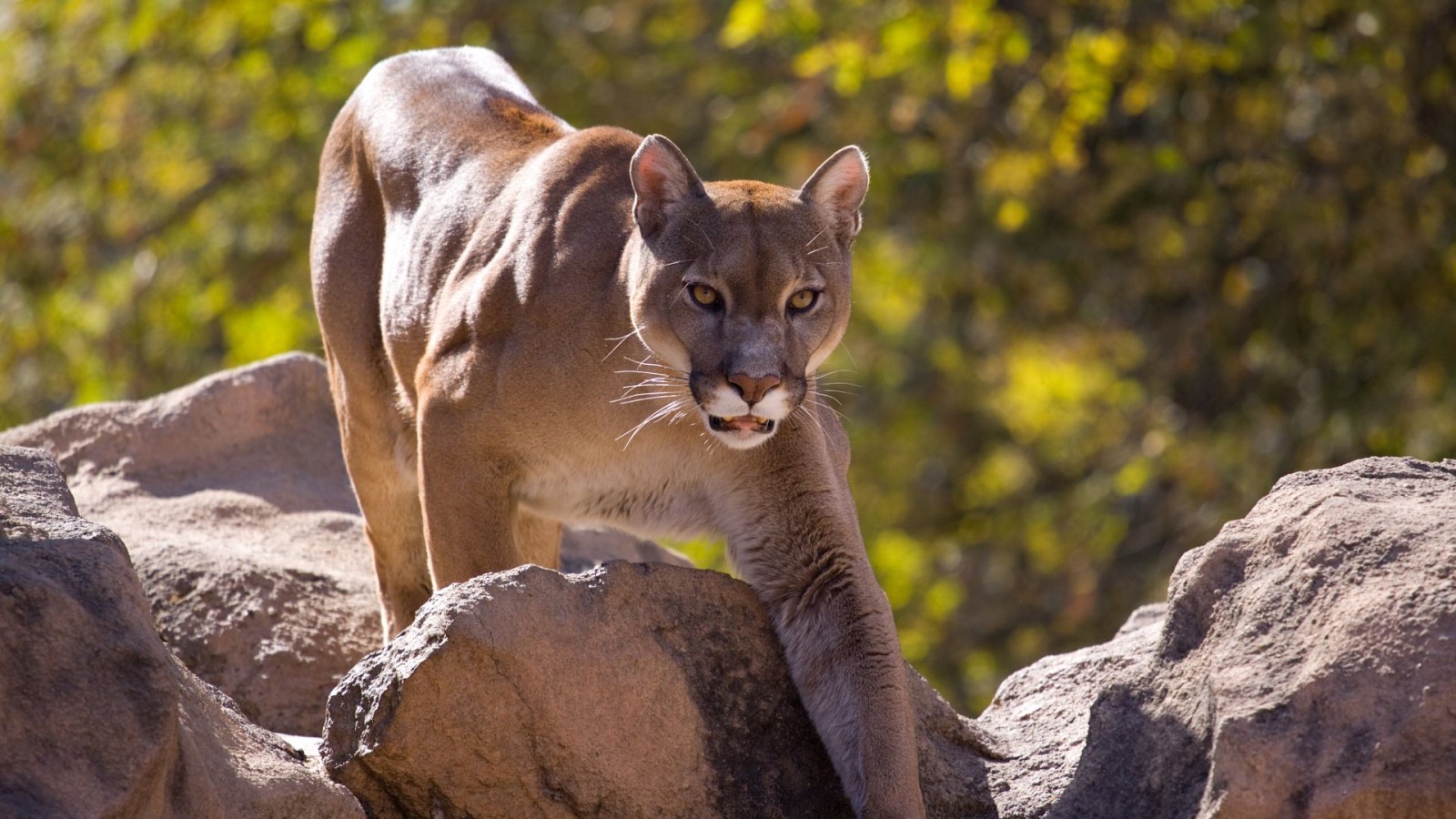
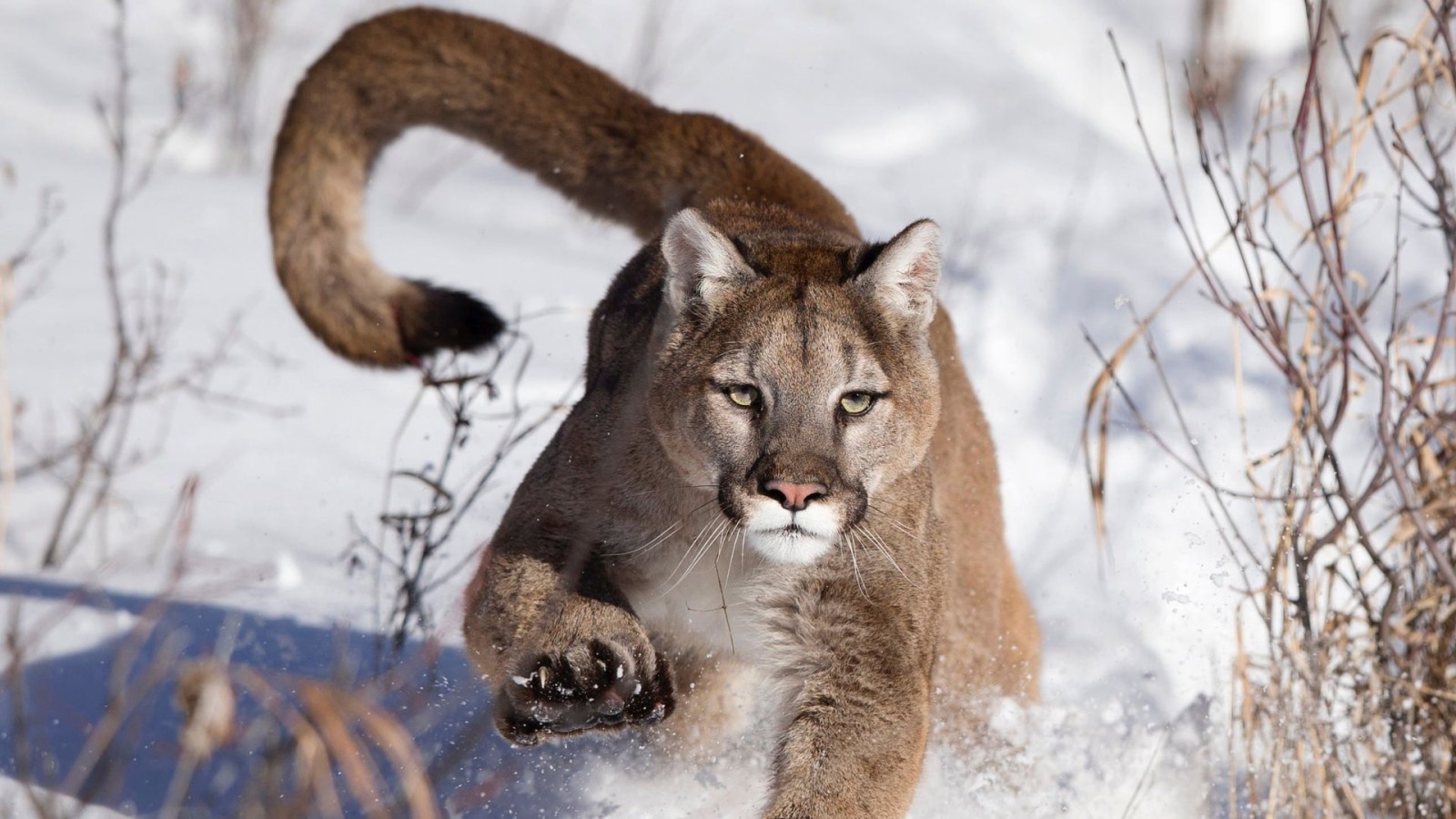
Thanks to its flexible spine, strong limbs, and incredible leaping ability, the puma can cover distances of up to 12 meters in a single bound, and vertically—up to 5 meters! Territorial and independent, it roams areas as large as 300 square kilometers, rarely encountering other individuals. This animal is a true masterpiece of nature—not the biggest, not the heaviest, but maximally efficient. Its endurance is not just physical strength—it’s also the ability to survive in any conditions, from snowy peaks to sun-scorched deserts.
KEY CHARACTERISTICS
- Behavior – solitary, cautious, yet highly effective. The puma attacks by surprise, swiftly eliminating its target.
- Habitat – from the mountains of North America to the wilderness of South America. It inhabits mountains, forests, steppes, and deserts.
- Coat – uniformly gray-brown, beige, or reddish-tan, with a lighter belly and a dark tail tip – perfect camouflage.
- Hunting technique – ambush, sudden leap, quick kill with a bite to the neck.
- Lifestyle – solitary; primarily active at dawn and dusk.