CANADIAN LYNX - THE SOLITARY PREDATOR OF THE NORTHERN FOREST
The Canadian lynx (Lynx canadensis) is a medium-sized wild cat that inhabits vast areas of northern North America. Its natural habitat primarily consists of dense boreal forests in Canada as well as northern regions of the United States, such as Alaska, the Rocky Mountains, and the areas around the Great Lakes. It is also found in subtropical regions where suitable climate conditions and food availability exist.
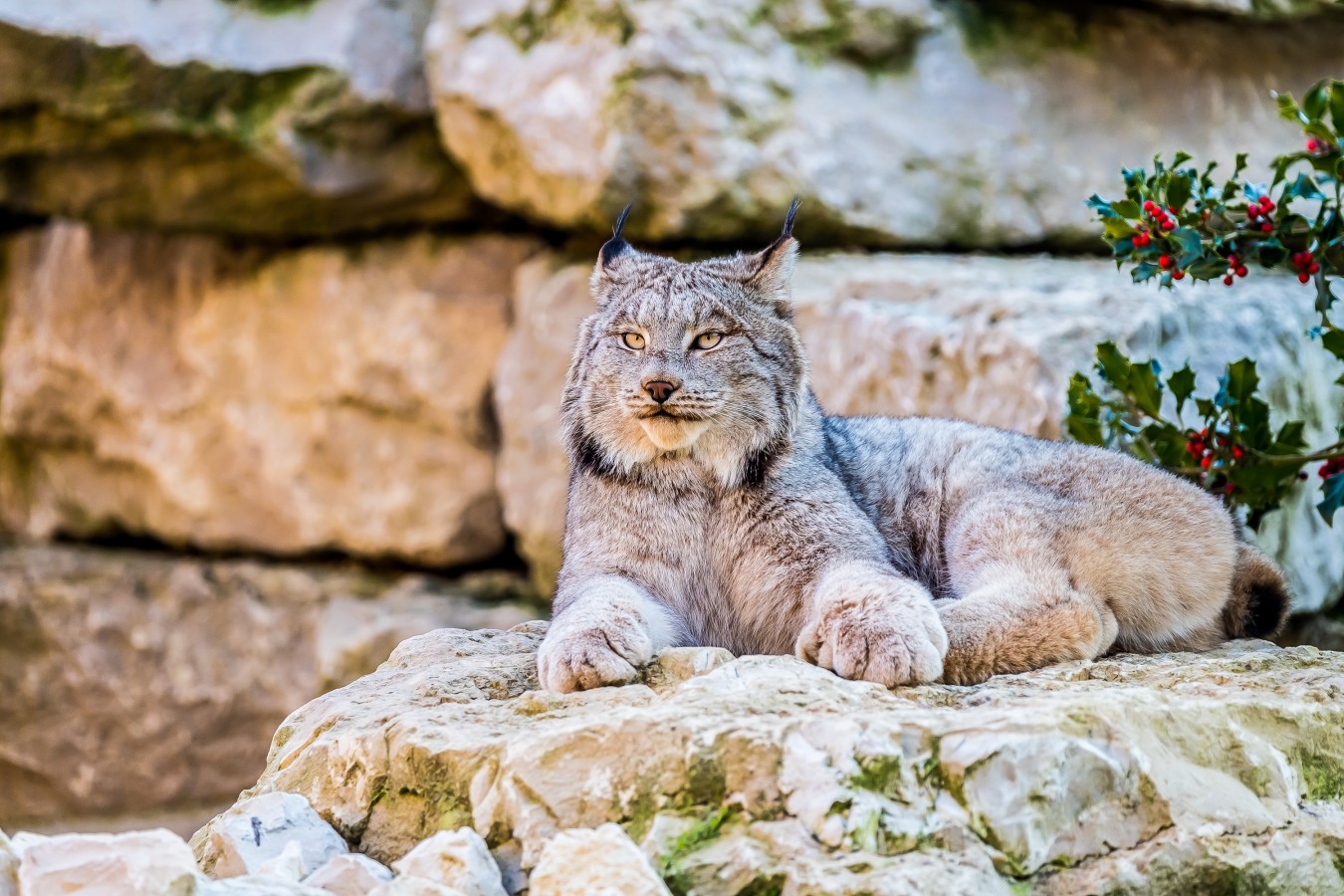
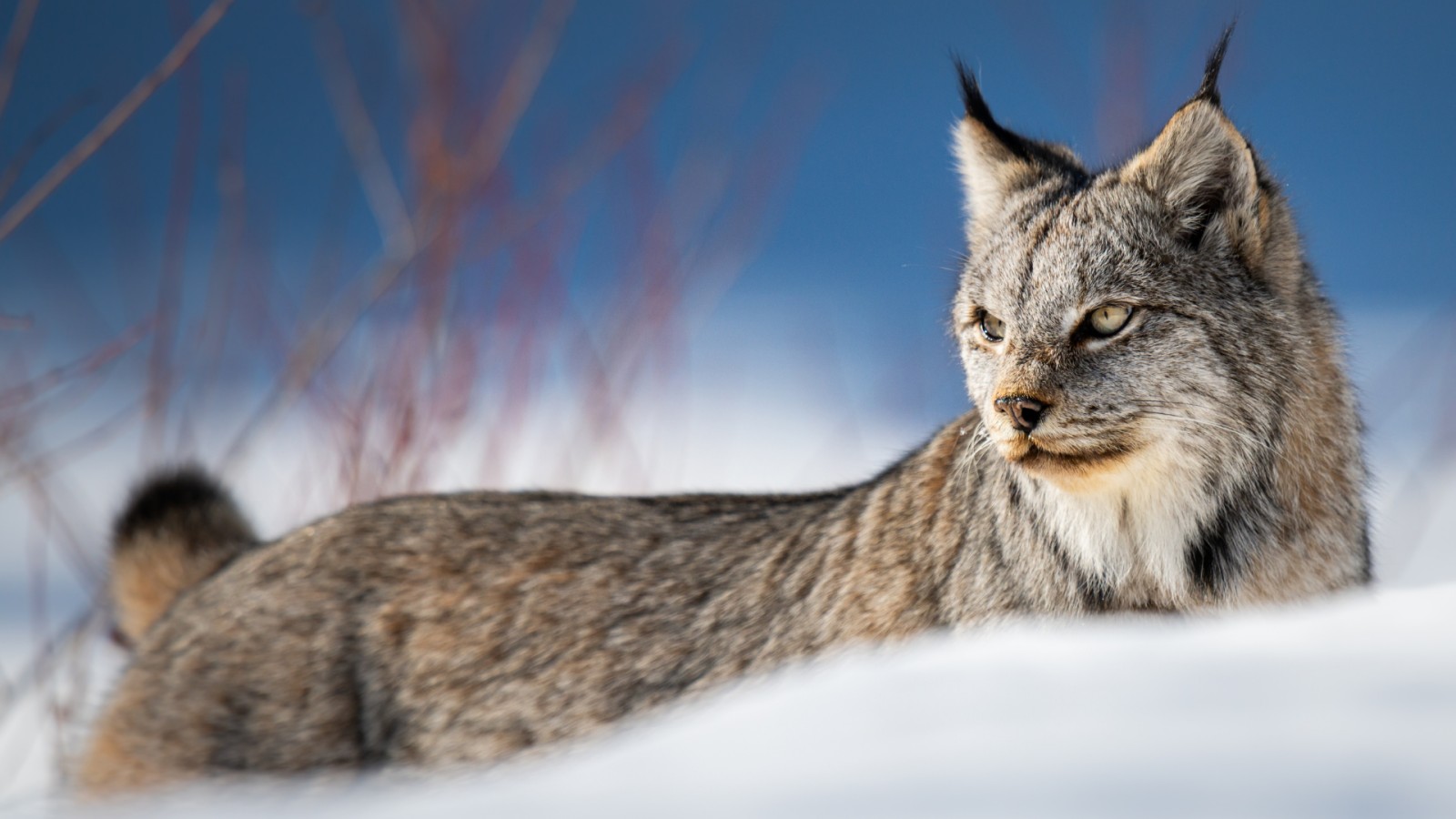
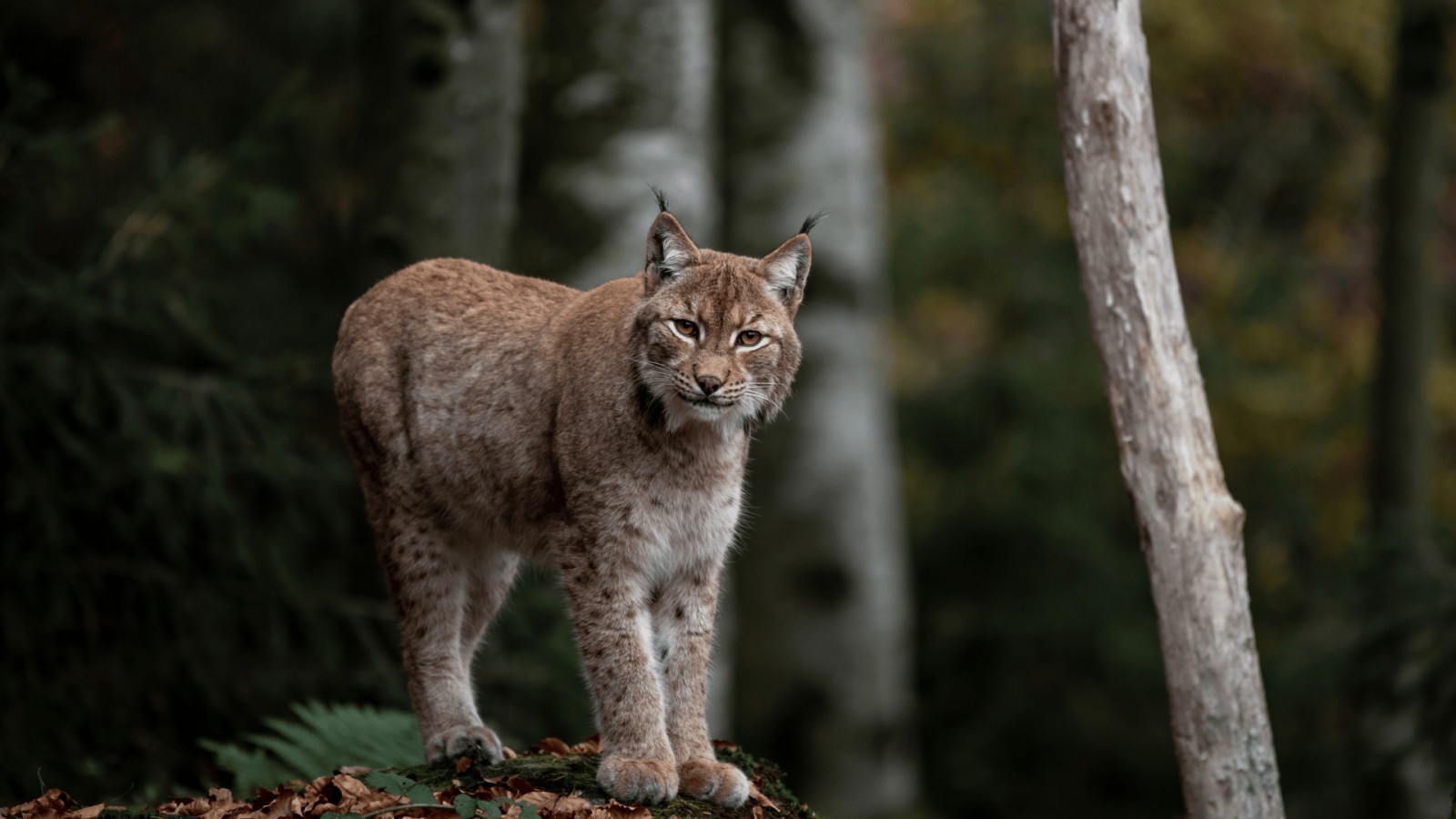
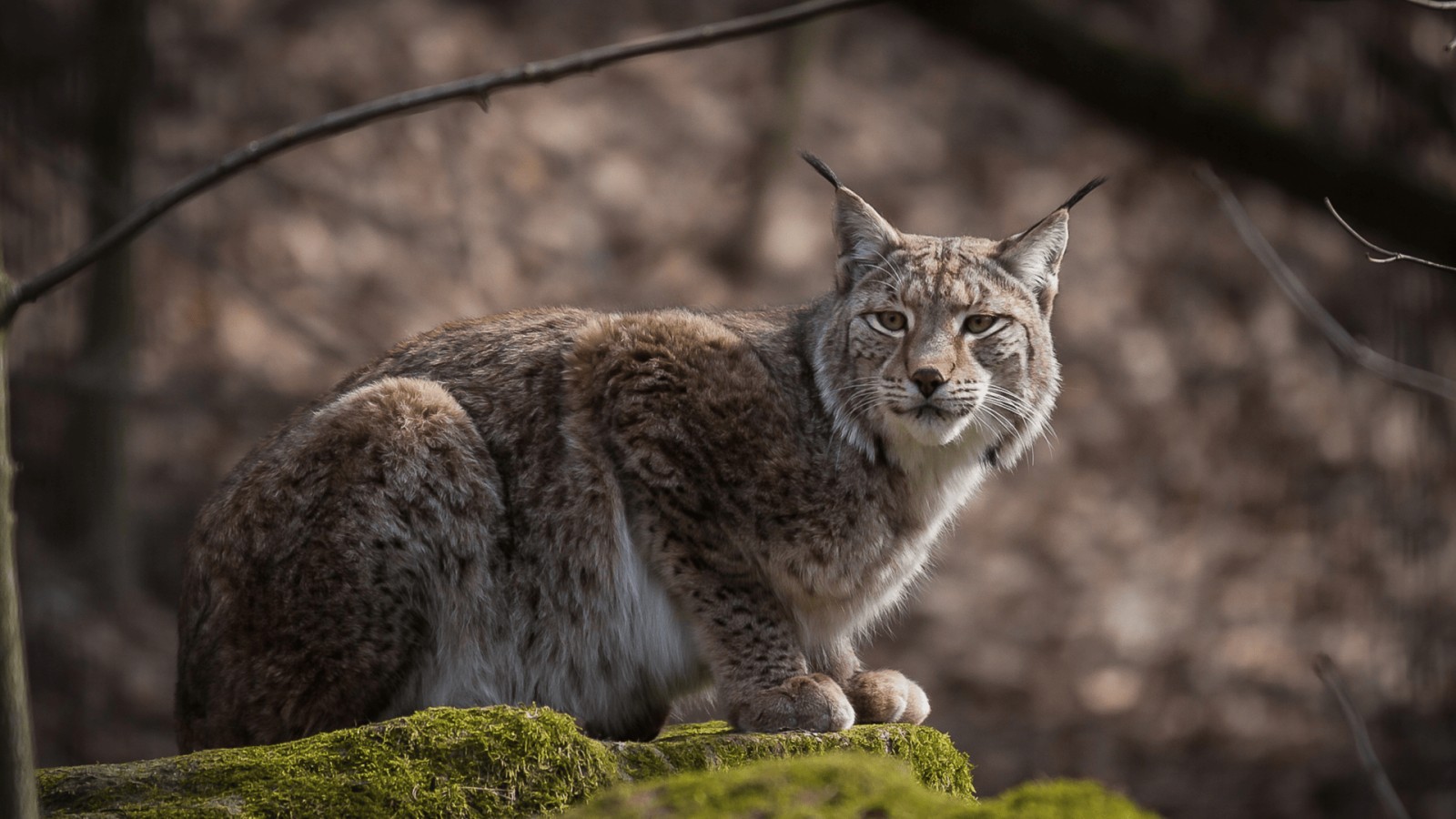
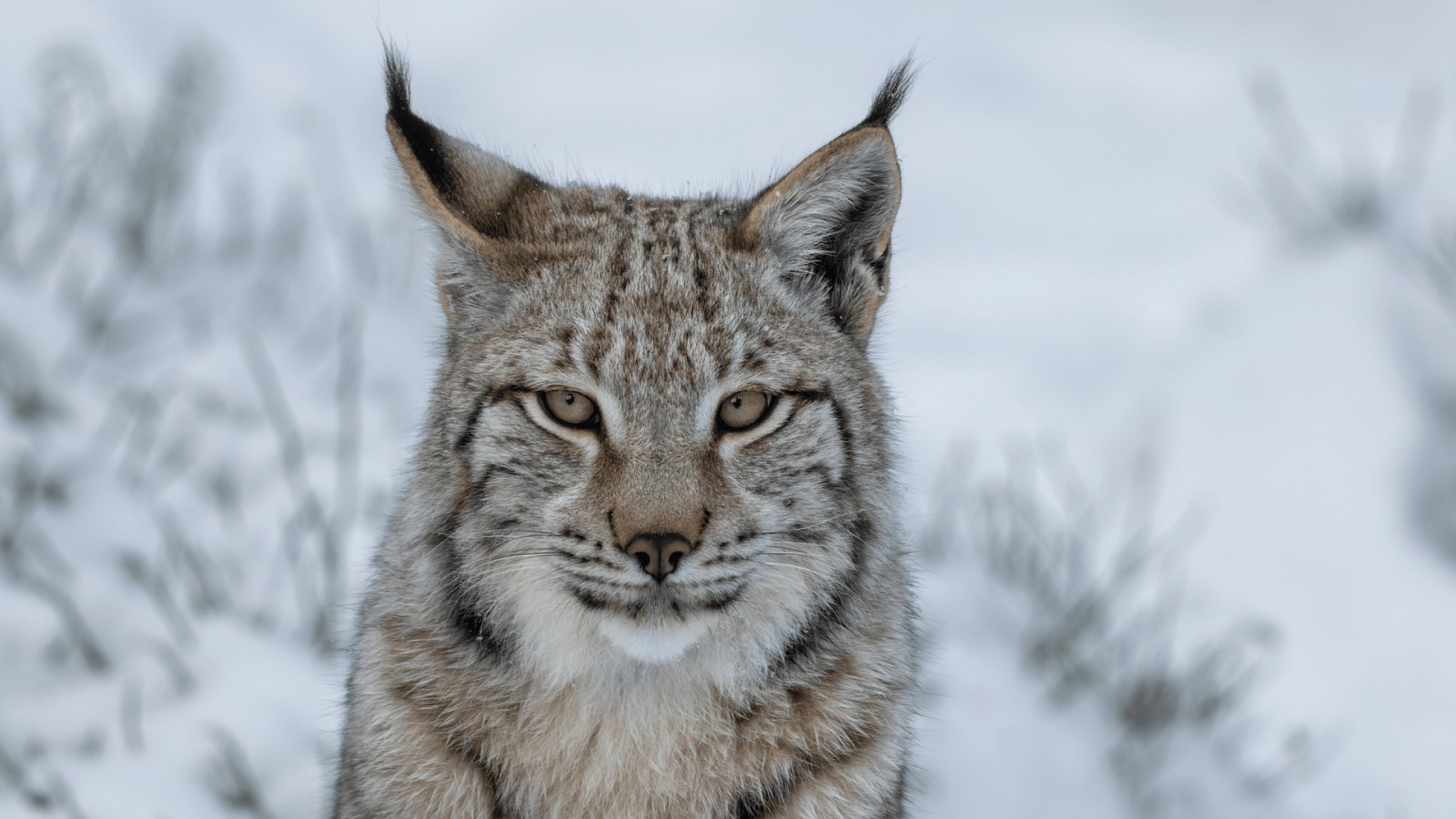
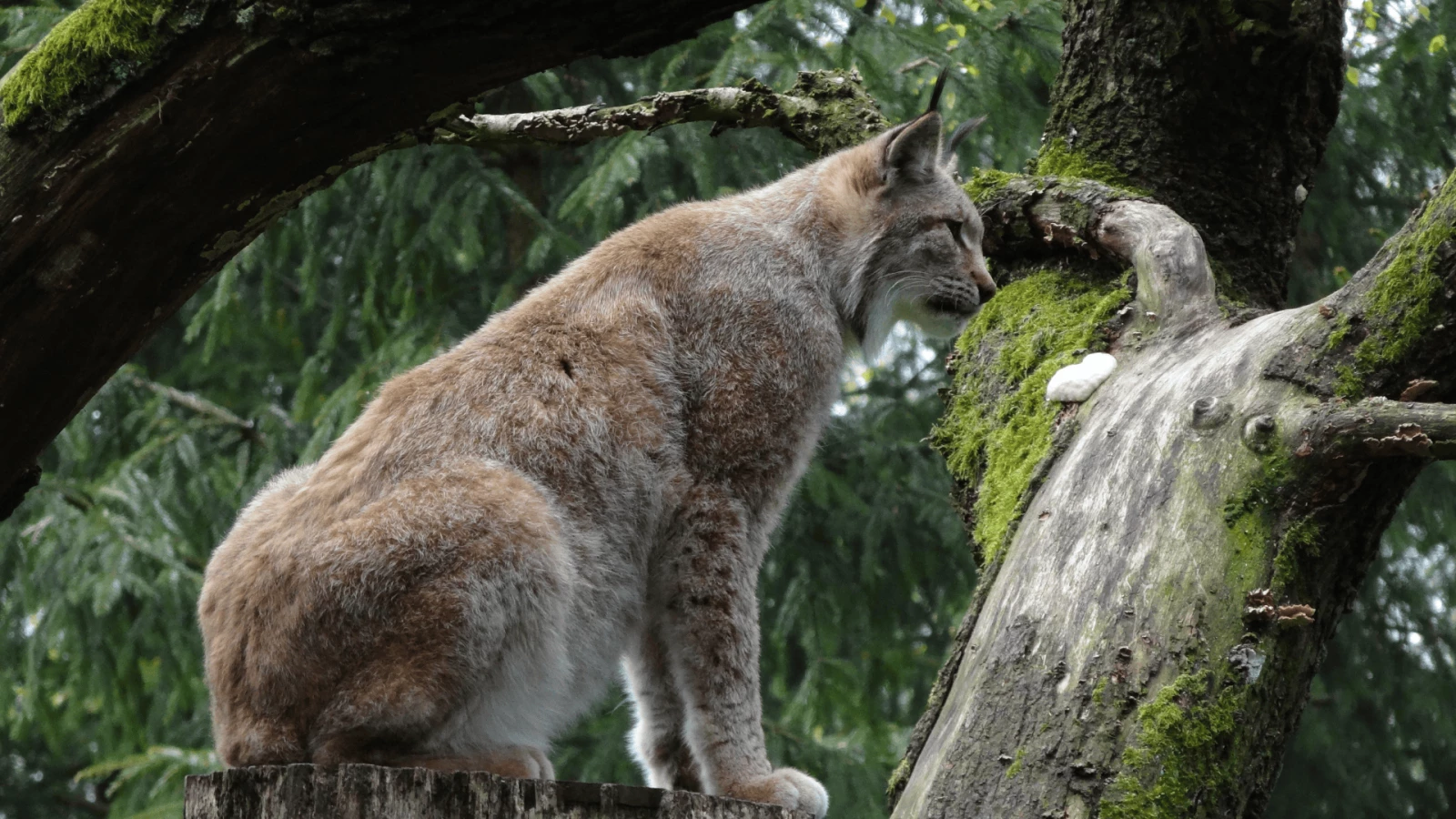
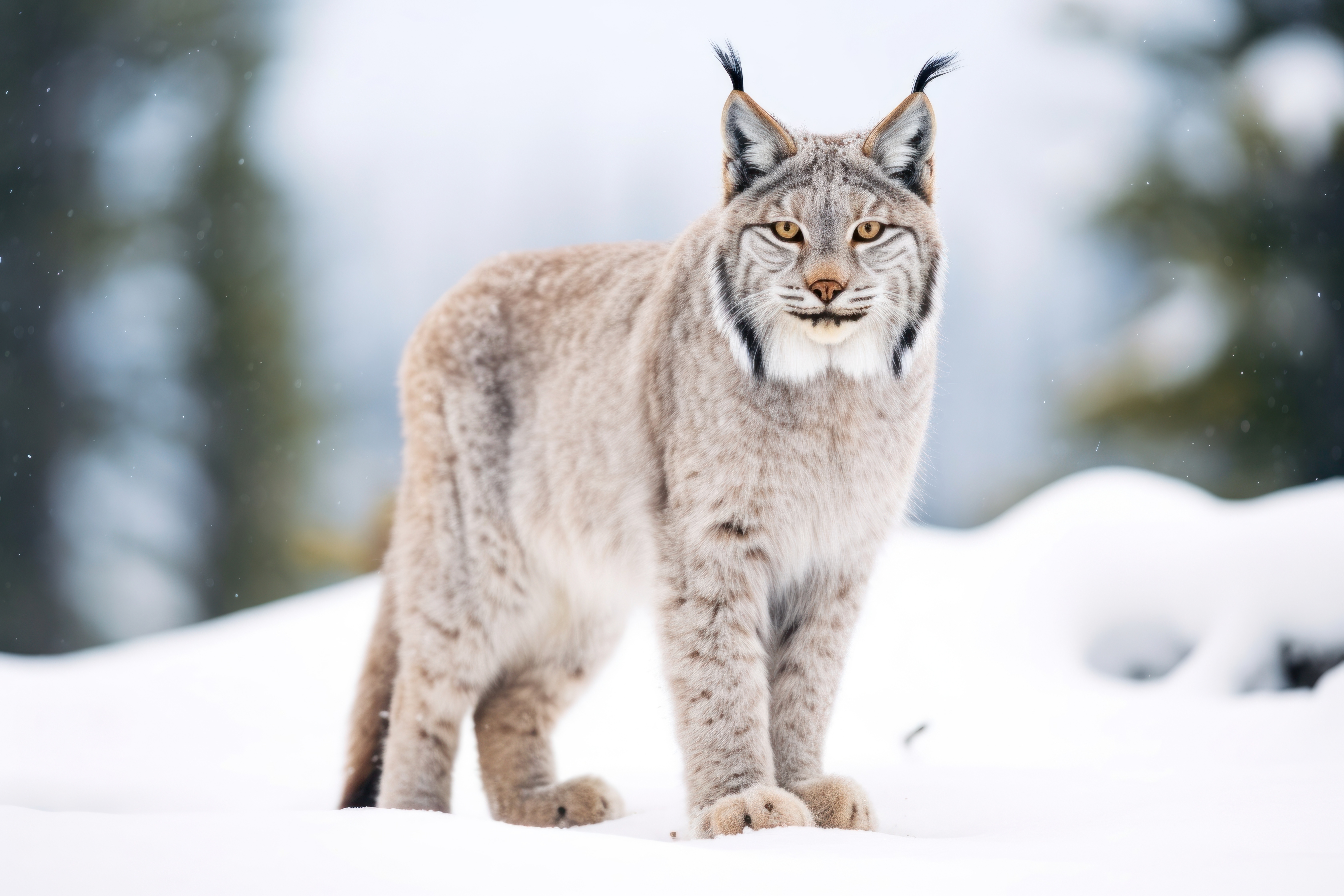
The Canadian lynx is perfectly adapted to life in the harsh, cold climate of northern forests. Its dense fur, which changes color depending on the season, protects it from low temperatures. In summer, it usually has a reddish-brown coat that turns to shades of gray or grayish-brown in winter, allowing it to better camouflage in snowy and overgrown environments. Distinctive spots appear on its belly and the inner sides of its legs, helping it to hide from both prey and predators.
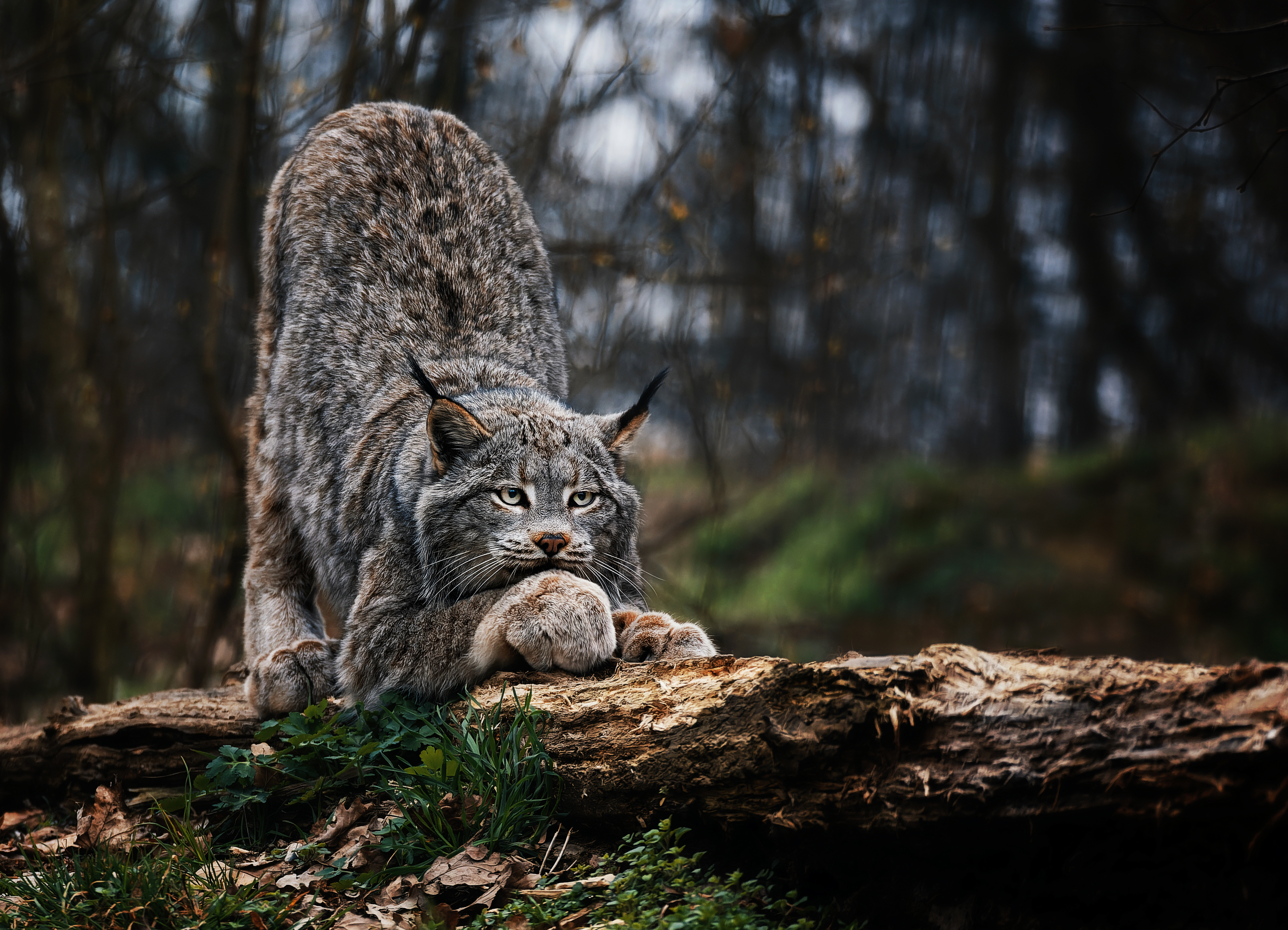
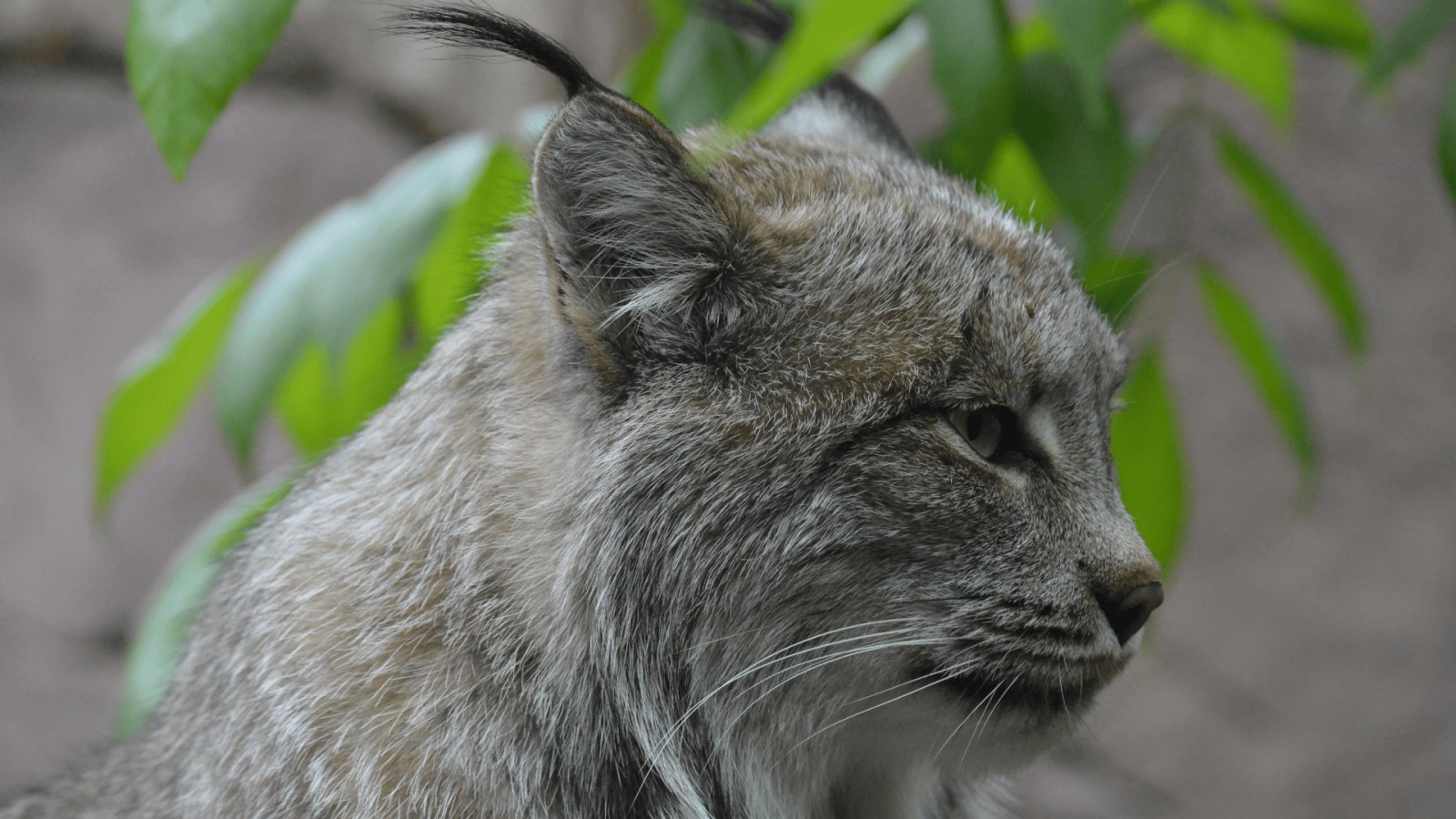
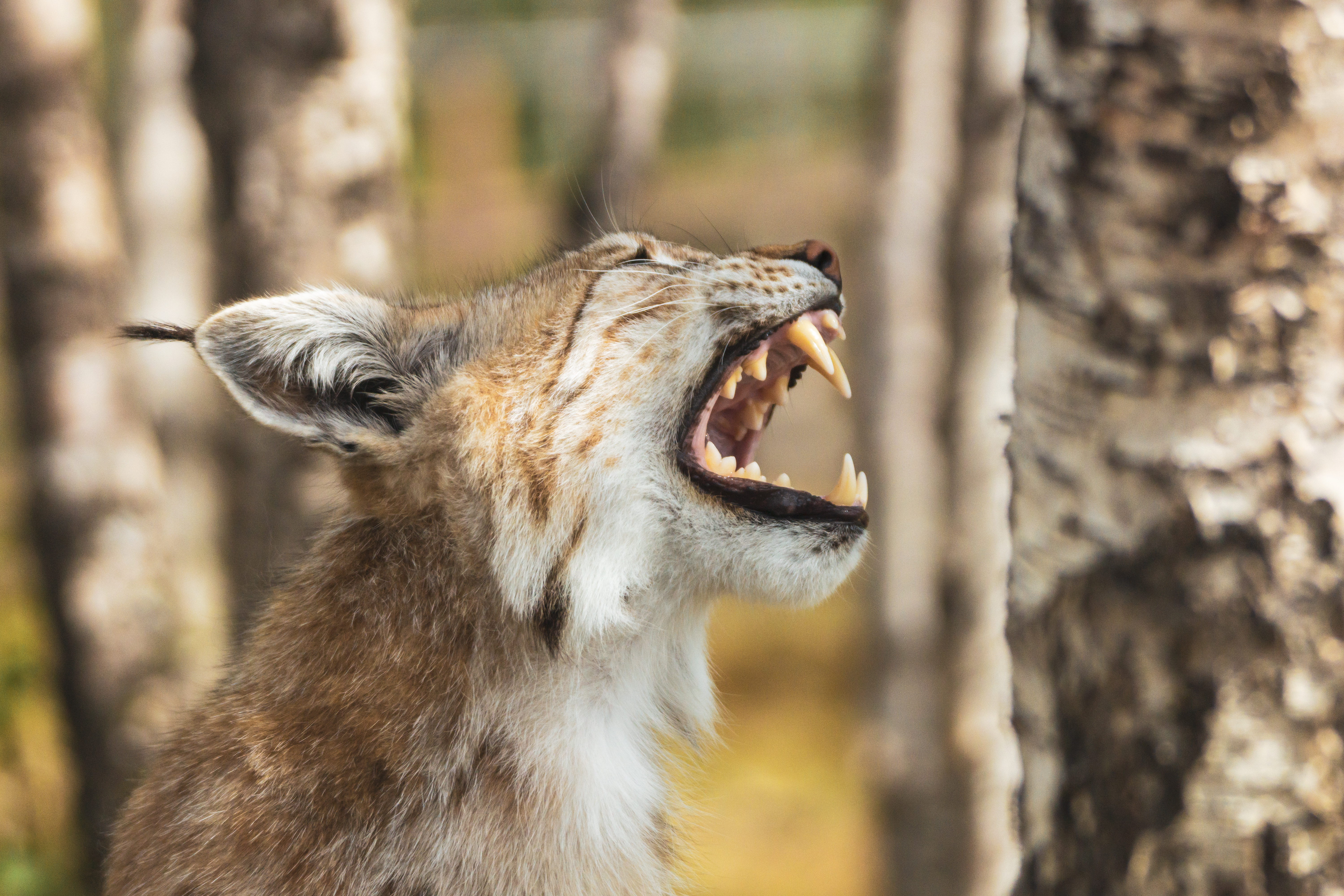
A distinctive feature of the Canadian lynx is its large, pointed ears tipped with black tufts, as well as its short tail with a black tip. These adaptations help it navigate its environment effectively and communicate with other individuals.
The lynx leads a solitary lifestyle and is highly territorial. It marks its territory using urine scent and scratches on trees to prevent intrusions by other lynxes. It is primarily nocturnal, hunting by ambush. Its hunting technique involves quietly and cautiously approaching prey, often using dense vegetation as cover. The main component of the Canadian lynx’s diet consists of small mammals, especially hares, but its menu also includes birds, rodents, and other small animals.
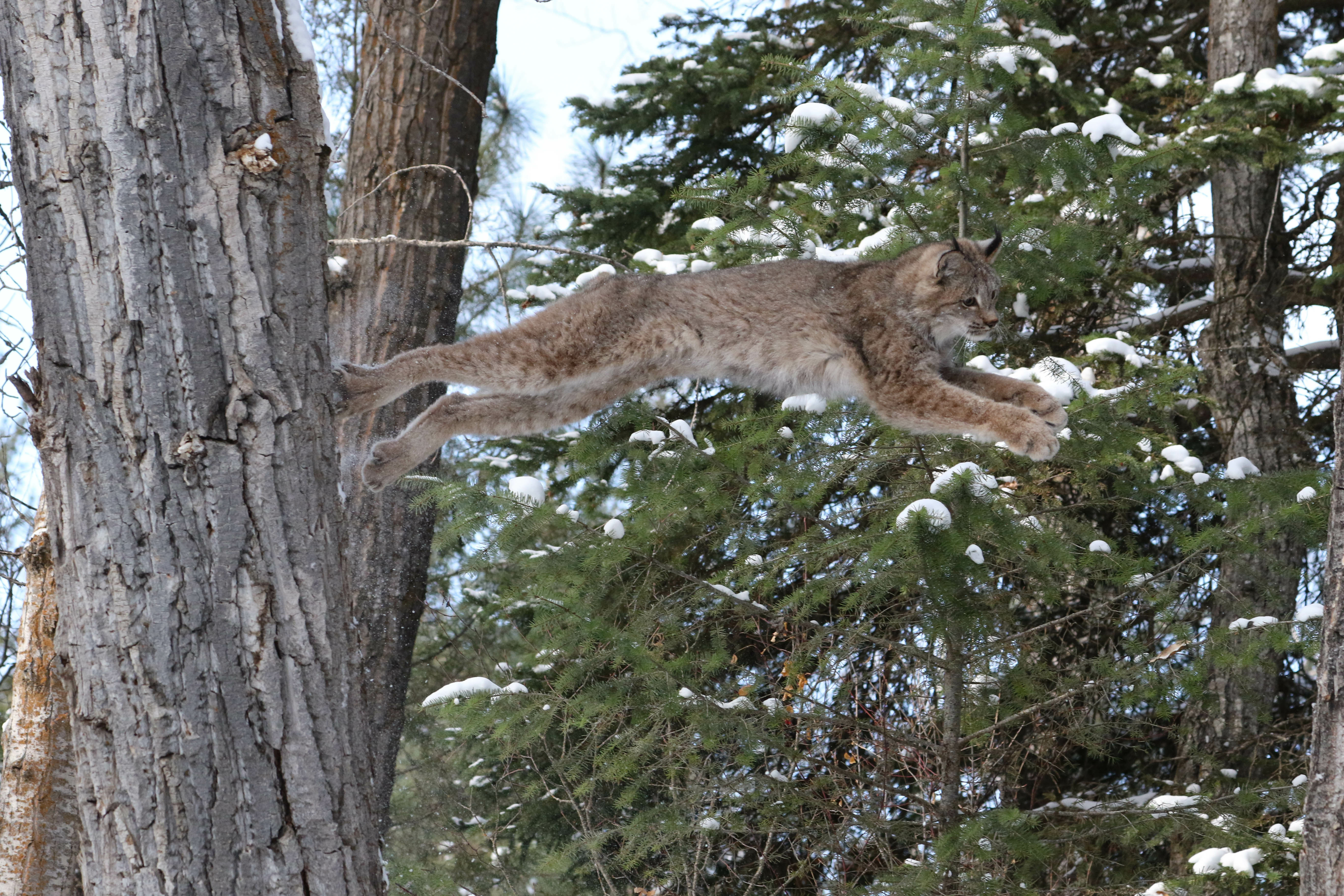
The Canadian lynx is an important part of the northern forest ecosystem. As a predator, it plays a key role in regulating prey populations, which helps maintain the biological balance of these areas. In the wild, a lynx typically lives for about 15 years.
KEY CHARACTERISTICS
- Behavior – solitary and territorial; marks territory with urine and scratches on trees
- Habitat – boreal forests of North America, including Canada, Alaska, the Rocky Mountains, and areas around the Great Lakes
- Coat coloration – seasonally variable; reddish-brown in summer, gray or grayish-brown in winter; spots on the belly and inner sides of the legs
- Hunting technique – ambush predator; approaches prey quietly and cautiously; mainly hunts small mammals, especially hares
- Lifestyle – nocturnal and solitary; mainly active after dusk; lives up to around 15 years in the wild